Wine isgross.
Fair enough.
What’s gross about it?
“I don’t like wine” is a perfectly good starting point. The useful part is figuring out what you don’t like. Tap the thing that sounds most familiar.
Too bitter
You may be reacting to tannin — the bitter, drying sensation common in many red wines. If big, grippy reds turn you off, that’s useful information. You may simply prefer softer, lower-tannin styles.
Too sweet
You probably prefer wines with less obvious sweetness. But ripe fruit, vanilla, oak and alcohol can also feel sweet even when a wine is technically dry. Learning which sensation bugs you is the useful part.
Too sour
That sharp, mouthwatering feeling is usually acidity. Some wines have much more of it than others. If very high-acid wines feel harsh to you, you’ve already learned something real about your palate.
Too dry
“Dry” can mean two different things: not sweet, or physically drying your mouth out. The second is usually tannin. Knowing which one you mean changes what you should try next.
Too boozy
Some wines wear their alcohol more obviously than others. If wine often feels hot, heavy or exhausting, you may prefer lighter-bodied wines, lower alcohol, more freshness — or simply a different balance.
It all tastes the same
That’s normal when you’re starting. The trick isn’t memorizing somebody else’s tasting notes. It’s tasting, comparing and keeping track until the differences you notice start repeating.
That’s the point.
“Wine is gross” is already a tasting note.
You don’t need a “better” palate. You need to notice what you like, what you don’t, and the patterns that keep showing up.
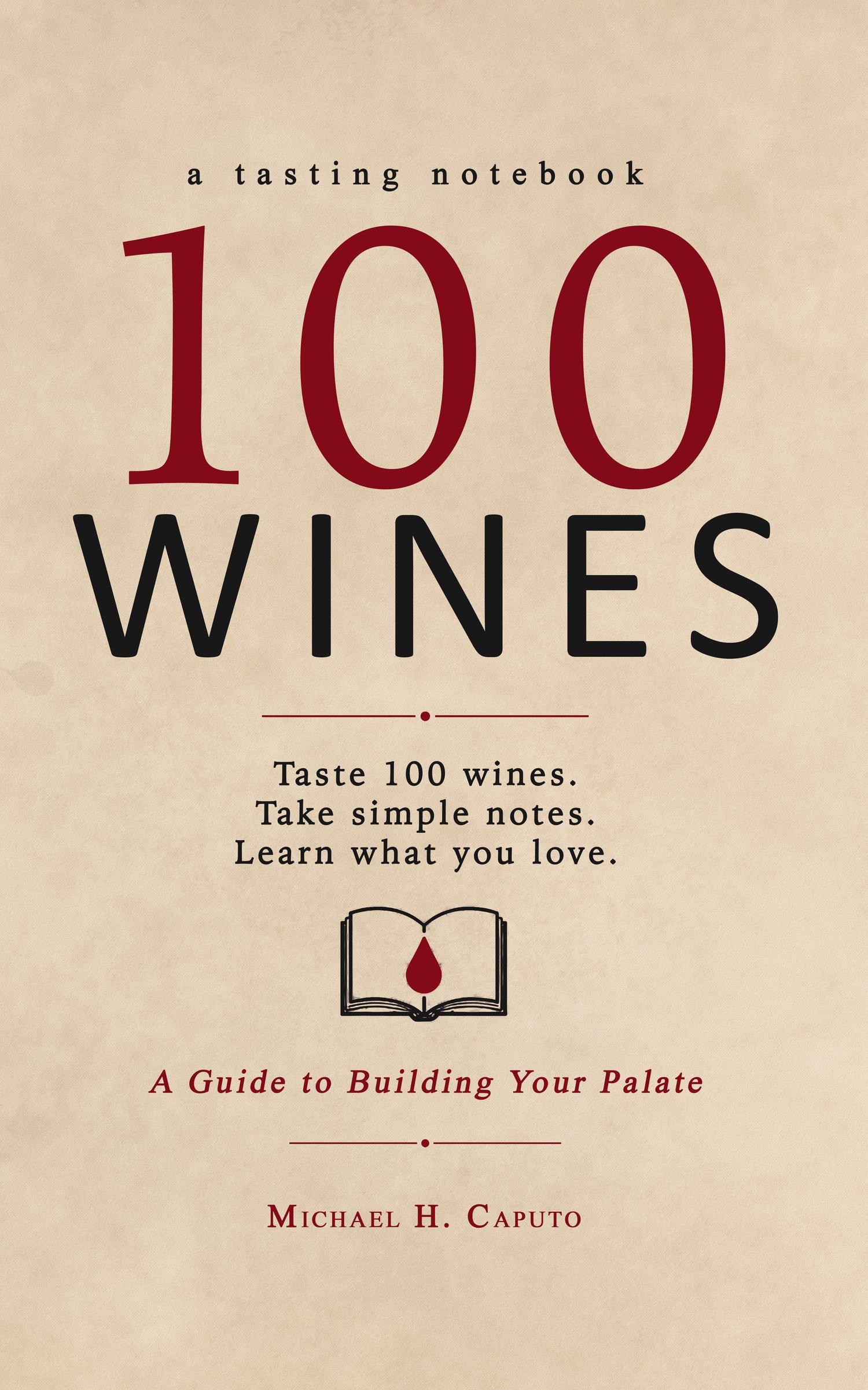
That’s what 100 Wines is for.
Figure out what you actually like.
Taste wine. Take simple notes. Learn what you love. 100 Wines is a practical tasting guide and notebook built to help you recognize your own palate — without turning wine into homework.
Learn more at 100winesbook.com →